
Missing a tooth can affect much more than your smile. It can make chewing difficult, change the way you speak, and even lead to shifting teeth and bone loss over time. Fortunately, modern dentistry offers several reliable ways to replace missing teeth, with two of the most common being dental bridges and dental implants.
If you’re trying to decide which option is right for you, you’re not alone. At Keelesdale Dental, we help patients every day understand the benefits of each treatment and recommend solutions based on their oral health, lifestyle, and long-term goals.
Here’s what you should know before making your decision.
Why Replacing a Missing Tooth Matters
It can be tempting to ignore a missing tooth, especially if it’s toward the back of your mouth. However, leaving a gap untreated can create several problems over time.
Neighbouring teeth may begin to shift into the empty space, affecting your bite and making it more difficult to clean between teeth. The jawbone beneath the missing tooth can also begin to shrink because it is no longer stimulated by the tooth root.
Replacing a missing tooth helps restore proper function, protects your remaining teeth, and supports the long-term health of your smile.
What Is a Dental Bridge?
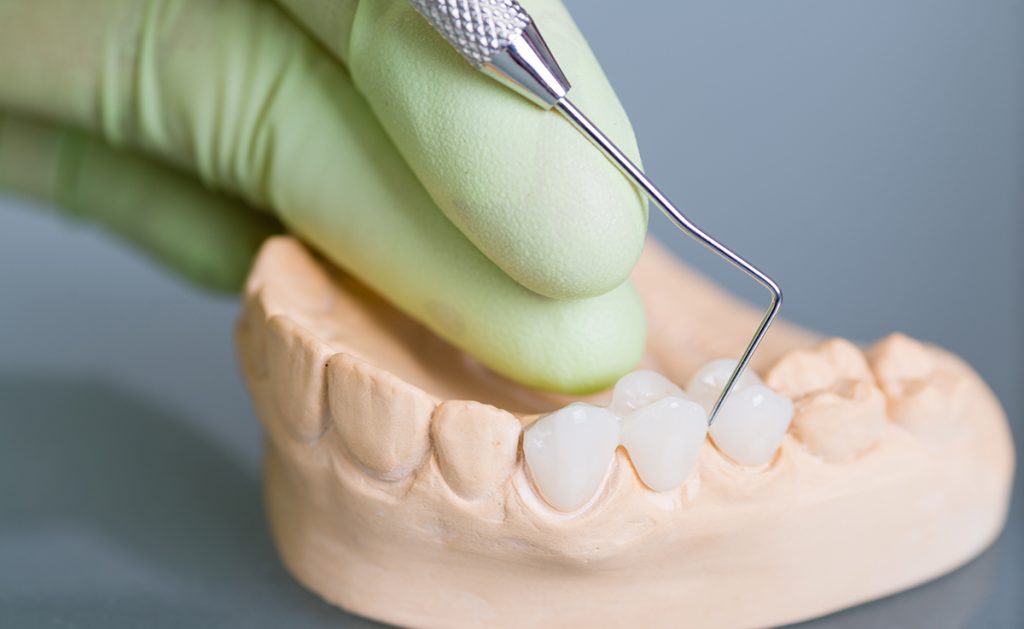
A dental bridge is a restoration that literally bridges the gap created by one or more missing teeth. The replacement tooth is supported by crowns that are attached to the healthy teeth on either side of the space.
Bridges have been used successfully for many years and remain an excellent option for many patients.
A bridge may be recommended if the neighbouring teeth already require crowns or if a dental implant is not the ideal solution for your situation.
What Is a Dental Implant?
A dental implant replaces both the visible portion of the tooth and its root. A small titanium implant is placed into the jawbone, where it gradually fuses with the bone. Once healing is complete, a custom crown is attached to restore the appearance and function of your tooth.
Because implants become part of the jawbone, they closely mimic the strength and stability of natural teeth.
Many patients choose implants because they provide a long-lasting solution while helping preserve bone structure.
Which Option Lasts Longer?
Both treatments are durable, but dental implants generally have the longest lifespan.
With proper care, implants can often last decades. The crown attached to the implant may eventually require replacement due to normal wear, but the implant itself can remain stable for many years.
Dental bridges also provide excellent long-term results, typically lasting 10 to 15 years or longer with good oral hygiene and regular dental visits.
The longevity of either treatment depends on proper home care and routine preventive cleanings and exams.
Bone Health Plays an Important Role
One of the biggest differences between bridges and implants is how they affect your jawbone.
When a tooth is lost, the surrounding bone gradually begins to shrink because it no longer receives stimulation from the tooth root.
A dental implant helps preserve bone because it functions like a natural root. A bridge restores the missing tooth above the gums but does not replace the root beneath the surface.
For patients concerned about long-term bone preservation, implants often provide an important advantage.
Which Procedure Is Faster?
Dental bridges generally require less overall treatment time because they do not involve surgery.
Dental implants require several stages, including implant placement, healing, and placement of the final restoration. Depending on your case, the process may take several months.
During your consultation, we’ll explain the expected timeline and help you determine which approach fits your schedule and treatment goals.
Which Option Is Right for You?
There is no single answer that works for every patient.
Your dentist will consider several factors, including:
- Your overall oral health
- The condition of neighbouring teeth
- Bone density
- Gum health
- Your budget
- Your long-term goals
Comprehensive digital X-rays and a detailed examination allow us to recommend the treatment that offers the best long-term outcome.
What If You Need More Than One Tooth Replaced?
Both bridges and implants can be used to replace multiple missing teeth.
For some patients, several implants may support an implant bridge. Others may benefit from a traditional bridge or a more comprehensive full mouth restoration that combines multiple restorative procedures.
Every treatment plan is customized to meet your individual needs.
The Importance of a Professional Evaluation
Choosing between a bridge and an implant isn’t simply about comparing procedures. It’s about understanding your overall oral health and selecting the treatment that will provide the greatest long-term benefit.
At Keelesdale Dental, we take time to explain every option in plain language. We’ll review the advantages of each treatment, answer your questions, and help you make an informed decision without pressure.
Our goal is to restore both the function and confidence that come with a healthy smile.
Replace Missing Teeth Before More Problems Develop
The longer a missing tooth is left untreated, the greater the chance of shifting teeth, bite changes, and bone loss.
Whether you’re missing one tooth or several, today’s restorative options can help you smile, chew, and speak with confidence again.
Let Us Help You Find the Right Solution
If you’re considering replacing a missing tooth, Keelesdale Dental is here to help. We provide personalized consultations, advanced digital X-rays, dental bridges, dental implant surgery, and complete restorative treatment plans tailored to your needs.
Call (416) 651-2422 or visit our contact page to schedule your consultation today. We’ll help you choose the solution that’s right for your smile today and for years to come.
Frequently Asked Questions
1. Is a dental implant better than a bridge?
Neither option is universally better. The right choice depends on your oral health, bone structure, neighbouring teeth, and long-term goals.
2. Which treatment looks more natural?
Both dental bridges and implants are custom-made to match your natural teeth. When completed professionally, both provide highly natural-looking results.
3. Can I get a dental implant if I’ve been missing a tooth for years?
Possibly. Even if bone loss has occurred, procedures such as bone grafting may make dental implants possible. A consultation is the best way to determine your options.
4. Does getting a dental implant hurt?
The implant is placed using local anesthesia, and most patients report only mild discomfort afterward. We also offer options to help anxious patients feel comfortable during treatment.
5. How do I know which option is right for me?
The best way to decide is with a comprehensive examination. Your dentist will evaluate your oral health, discuss your goals, and recommend the treatment that offers the best long-term outcome.


